Edelmetallverarbeitung: Ein wichtiger Schritt in der Industrie
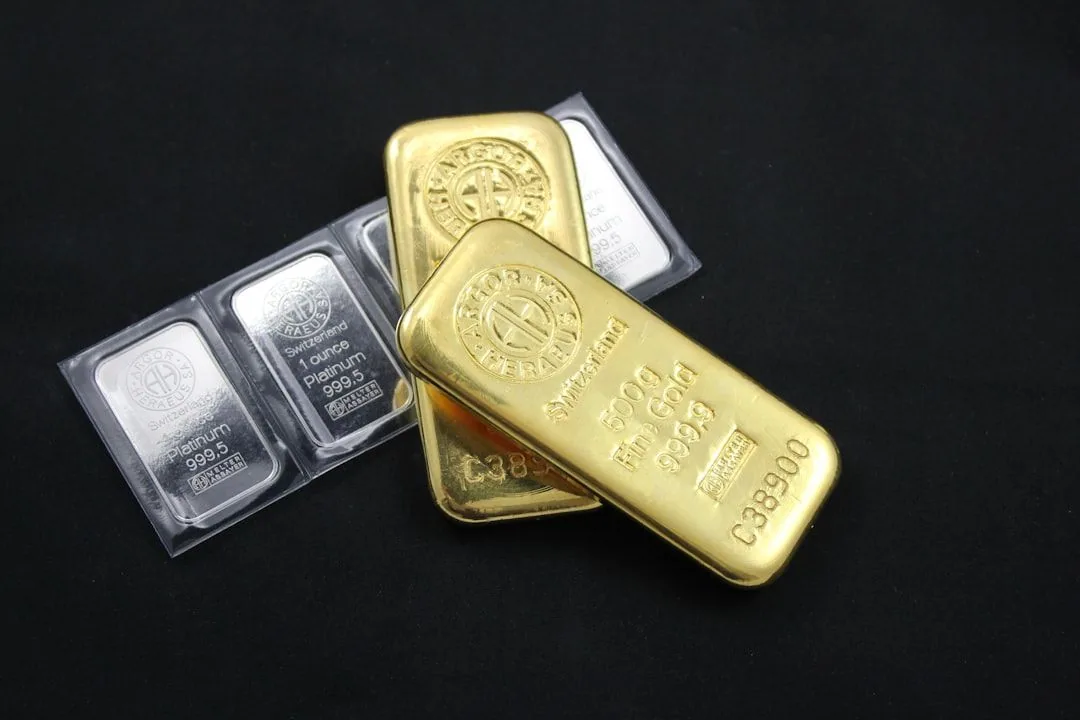
Let's talk about precious metal processing, often called Edelmetallverarbeitung in German. Essentially, it's the crucial business of handling and transforming valuable metals like gold, silver, platinum, and palladium for various industrial uses. If you're wondering why this matters, it's because these metals aren't just for jewelry. They're hidden heroes in modern technology, medicine, and a whole host of industries that keep our world running. This article will dive into what Edelmetallverarbeitung involves, why it's so important, and some of the key aspects that make it a vital cog in the industrial machine.
At its core, Edelmetallverarbeitung involves a series of steps to refine, shape, and prepare precious metals for their intended applications. This isn't a simple melting and casting. It's a multi-stage process that demands precision and specialized knowledge.
Gewinnung und Raffination
The journey begins with either mining new precious metals or, increasingly importantly, recovering them from existing materials.
Bergbau und primäre Gewinnung
The traditional method involves extracting ores from the earth. This is a complex and often environmentally sensitive undertaking. The concentration of precious metals in these ores can be extremely low, requiring extensive processing to isolate them.
Sekundäre Gewinnung und Recycling
A significant and growing part of Edelmetallverarbeitung is recycling. This includes recovering metals from old electronics (like circuit boards), outdated industrial catalysts, spent batteries, and even dental waste. This "urban mining" is not only economically efficient but also environmentally responsible, reducing the need for new mining operations and minimizing waste.
Metallurgische Verfahren
Once the raw materials are obtained, they undergo metallurgical processes to purify them and prepare them for further use.
Schmelzen und Gießen
This is one of the most fundamental steps. Precious metals are melted at very high temperatures and then cast into specific shapes, such as ingots, bars, or wires, ready for subsequent processing. The purity of the melt is critical.
Elektrolytische Raffination
For achieving extremely high levels of purity, especially for gold and silver, electrolytic refining is often employed. This process uses an electric current to deposit a pure metal onto a cathode, leaving impurities behind. This is how we get the 99.99% pure gold or silver used in demanding applications.
Legierungsbildung
Pure precious metals are often too soft for many industrial purposes. Therefore, they are alloyed with other metals to achieve desired properties like increased hardness, durability, or specific electrical conductivity. Understanding the precise ratios and their impact is a key skill.
Anwendungen von Edelmetallen in der Industrie
The unique properties of precious metals make them indispensable in a surprisingly diverse range of industries. It's not just about their aesthetic appeal.
Elektroindustrie und Elektronik
The conductivity and resistance to corrosion of metals like gold and silver are exceptional, making them vital components in electronics.
Steckverbindungen und Kontakte
Gold plating is ubiquitous in electronic connectors, from your computer's internal components to USB ports. Its inertness ensures a reliable connection that won't corrode over time, preventing data loss and signal degradation.
Leiterbahnen und Schaltungen
In some specialized applications, thin layers of gold or silver are used to create highly conductive paths on printed circuit boards (PCBs) or in complex integrated circuits, particularly where high performance and reliability are paramount.
Sensoren und Schalter
The stability and responsiveness of precious metals make them ideal for certain types of sensors and switches, especially in critical aerospace, medical, or automotive applications where failure is not an option.
Katalysatoren und chemische Prozesse
Metals like platinum, palladium, and rhodium are extraordinary catalysts, accelerating chemical reactions without being consumed in the process.
Abgaskatalysatoren
Perhaps the most well-known industrial application is in automotive catalytic converters. Platinum, palladium, and rhodium convert harmful emissions like carbon monoxide and nitrogen oxides into less harmful substances like carbon dioxide, water, and nitrogen gas.
Chemische Synthese
In the pharmaceutical and fine chemical industries, these precious metals are used as catalysts in a wide array of synthesis processes, enabling the efficient production of complex molecules and active pharmaceutical ingredients.
Raffinerie von Erdöl
Certain industrial refining processes in the petrochemical sector also rely on precious metal catalysts for specific separation and conversion steps.
Medizintechnik und Dentalbereich
The biocompatibility and inertness of precious metals make them ideal for use within the human body.
Zahnersatz und Implantate
Gold alloys and platinum-iridium alloys have long been used in dentistry for crowns, bridges, and implants due to their inertness, durability, and aesthetic qualities. They are well-tolerated by gum tissue and bone.
Medizinische Geräte und Instrumente
Components in pacemakers, surgical instruments, and diagnostic equipment often utilize precious metals due to their resistance to sterilization processes and their reliable electrical properties. Stents, crucial for opening blocked arteries, can sometimes be coated with platinum or other noble metals.
Schmuck und Luxusgüter
While this article focuses on industrial uses, we cannot ignore the traditional and significant role of precious metals in jewelry.
Traditionelle Verarbeitung und Design
The malleability and beauty of gold, silver, and platinum make them the cornerstone of the jewelry industry, allowing for intricate designs and enduring pieces.
Hochwertige Legierungen für Haltbarkeit
Even in jewelry, the concept of alloying is crucial. Introducing other metals like copper, nickel, or palladium to gold creates different karats (e.g., 18-karat gold) and colors (white gold, rose gold), balancing beauty with wearability.
Herausforderungen und Innovationen in der Edelmetallverarbeitung
The field of Edelmetallverarbeitung is not static. It faces constant challenges that drive innovation.
Effizienz und Kostenmanagement
Precious metals are, by definition, expensive. Maximizing efficiency in all stages, from recovery to final product, is paramount.
Optimierung von Recyclingprozessen
Developing more efficient and cost-effective methods for extracting precious metals from complex waste streams (like electronics) is a major focus. This involves advanced chemical and physical separation techniques.
Reduzierung von Materialverlusten
Minimizing any loss of precious metals during manufacturing and processing is critical. This often involves highly controlled environments and sophisticated tracking systems.
Nachhaltigkeit und Umweltschutz
The environmental impact of both mining and processing is a significant concern, leading to greater emphasis on sustainable practices.
Umweltfreundliche Raffinationsmethoden
Research is ongoing to develop refining techniques that use fewer harsh chemicals and generate less hazardous waste.
Verantwortungsvolle Beschaffung
Ensuring that newly mined precious metals are sourced responsibly, with consideration for labor practices and environmental impact, is becoming increasingly important for companies and consumers alike.
Technologische Fortschritte
New technologies are constantly being developed to improve the precision, efficiency, and capabilities of precious metal processing.
Nanotechnologie und feine Strukturen
The ability to manipulate precious metals at the nanoscale opens up new possibilities for catalysts, sensors, and advanced materials with unique properties.
Automatisierung und Robotik
The use of automated systems and robotics in processing can enhance safety, precision, and throughput, especially in handling hazardous materials or performing repetitive tasks.
Die Rolle der Reinheit und Legierungen
The specific properties of precious metals are rarely used in their pure form. Instead, their purity and the way they are alloyed dictate their suitability for different applications.
Die Bedeutung extremer Reinheit
For certain high-tech applications, even minute impurities can be detrimental.
Elektronische Anwendungen
In semiconductors and high-performance electronics, impurities can disrupt electrical flow or lead to premature failure. This is why ultra-pure gold and silver (99.99% or higher) are essential.
Wissenschaftliche Forschung und Analytik
In highly sensitive scientific instruments and analytical processes, pure precious metals are used for calibration standards and components where any contamination would invalidate results.
Entwicklungen in der Legierungstechnik
The art and science of creating alloys are fundamental to unlocking the full potential of precious metals.
Maßgeschneiderte Eigenschaften für spezifische Anwendungen
By carefully combining precious metals with other elements (like copper, zinc, nickel, or even other precious metals), engineers and metallurgists can create materials with precisely tuned hardness, ductility, melt point, electrical resistance, and corrosion resistance.
Neue Legierungszusammensetzungen
Ongoing research explores novel alloy compositions to achieve performance characteristics that were previously unattainable, pushing the boundaries of what's possible in various industries.
Sicherheit und Regulierung im Edelmetallhandel
Working with precious metals also involves strict security measures and adherence to regulations due to their value and potential for misuse.
Wertgegenstandsmanagement und Sicherheit
The inherent value of precious metals necessitates robust security protocols at every stage.
Lagerung und Transport
Highly secure facilities are required for storing precious metals, and transportation often involves specialized security services to prevent theft.
Fälschungssicherheit und Analytik
Methods to verify the authenticity and purity of precious metals are crucial, ranging from simple assaying to advanced spectroscopic techniques. This safeguards against fraud and ensures material integrity.
Regulatorische Rahmenbedingungen
The trade and processing of precious metals are subject to various national and international regulations.
Gesetzgebung zur Herkunft und zum Handel
Regulations often govern the sourcing of precious metals to prevent the financing of illegal activities and to ensure ethical practices. Anti-money laundering (AML) and know-your-customer (KYC) regulations are particularly relevant.
Umwelt- und Arbeitsschutzbestimmungen
Compliance with stringent environmental protection laws and occupational health and safety standards is a non-negotiable aspect of any responsible Edelmetallverarbeitung operation. This includes managing chemical waste and protecting workers from hazardous materials and processes.
In summary, Edelmetallverarbeitung is far more than just refining gold for jewelry. It's a highly specialized sector that underpins critical advancements in technology, medicine, and sustainable energy. The continuous drive for innovation, efficiency, and responsible practices ensures that these valuable materials will continue to play an indispensable role in shaping our future.